Food security remains one of Ethiopia’s most pressing development challenges, influenced by climate variability, economic

Public Health / Food Security
 By sky_admein
April 30, 2026
By sky_admein
April 30, 2026
Food Security in Ethiopia: From Data Collection to Policy Action
By sky_admein
April 30, 2026
Food security remains one of Ethiopia’s most pressing development challenges, influenced by climate variability, economic conditions, and regional disparities. Addressing this issue requires more than immediate response measures it demands a systematic, data-driven approach that informs long-term policy and program design.
Accurate data collection is the foundation of effective food security interventions. Baseline surveys, rapid needs assessments, and longitudinal studies provide critical insights into household vulnerability, nutritional status, and access to resources. These data points enable governments and development partners to identify priority areas and allocate resources efficiently.
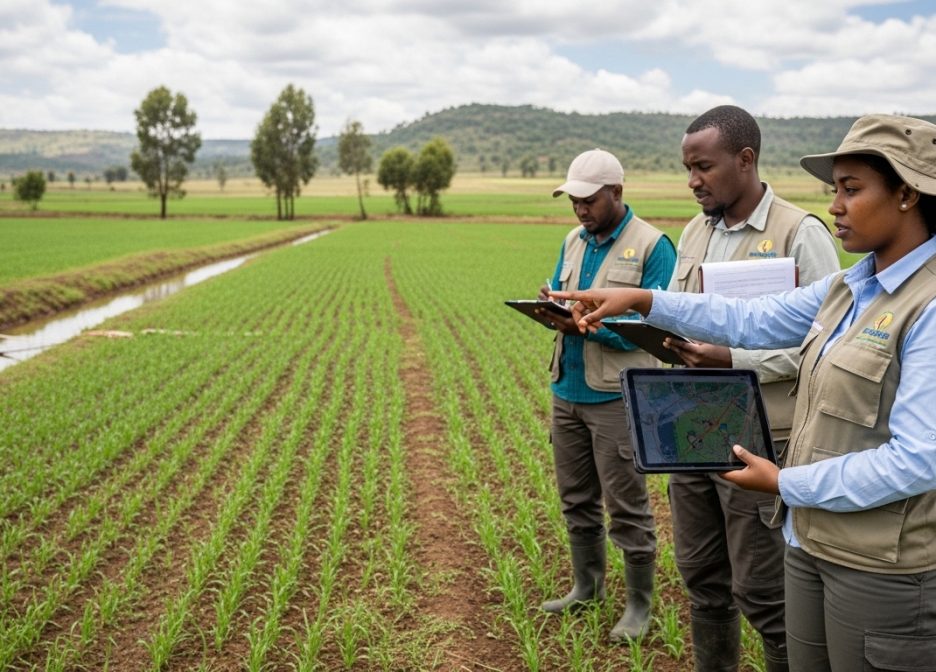
Advancements in data collection technology have significantly improved the quality and reliability of information. Tools such as Computer-Assisted Personal Interviewing (CAPI), GPS tracking, and GIS mapping allow field teams to gather precise, real-time data even in remote regions. These technologies reduce errors, enhance transparency, and ensure that findings are both credible and actionable.
However, data alone is not enough. The true value lies in analysis and interpretation. By transforming raw data into meaningful insights, policymakers and organizations can design targeted interventions that address the root causes of food insecurity. This includes improving agricultural practices, strengthening supply chains, and enhancing social protection systems.
As Ethiopia continues to face environmental and economic challenges, data driven decision-making will be essential for building resilience. By linking high-quality data to effective policy action, stakeholders can create sustainable solutions that improve food security and protect vulnerable populations.